Maxwell Blog
Expert information on hair transplant, hair loss, and scalp care
- 두피 뾰루지 났을 때, 짜도 될까요? 위험 신호 3가지
두피에 뾰루지가 났을 때 짜고 싶은 마음, 잠깐 참아주세요. 모낭염으로 번지는 이유와 병원에 가야 할 위험 신호를 정리해드립니다.
- 탈모 영양제 먹어야 할까요? 효과 없는 경우 3가지
탈모 영양제, 이번 달도 무작정 주문하기 전에 확인할 게 있습니다. 비오틴과 맥주효모가 정말 필요한 경우와 아닌 경우, 의사가 짚어드립니다.
- 여성이 쓸 수 있는 탈모약, 2026년 기준 완전 정리 — 미녹시딜부터 먹는 약까지
피나스테리드·두타스테리드는 왜 여성에게 금기인지, 바르는 미녹시딜 2025년 신제품, 경구 미녹시딜 오프라벨 처방까지 — 여성이 실제로 쓸 수 있는 탈모약을 2026년 기준으로 정리합니다.
- 모발이식 부작용, 의사가 솔직하게 말합니다
모발이식의 정상 회복 과정과 진짜 부작용을 구분하는 것이 중요합니다. 단기·중기·장기 부작용의 실제 발생률, 대처법, 병원 선택 기준을 솔직하게 정리합니다.
- 원형탈모 치료제 건강보험 적용 완전 정리 — 2026년 무엇이 달라졌나
2025년 7월부터 중증 원형탈모 치료제 바리시티닙에 건강보험이 적용됩니다. 적용 조건, 실제 비용 변화, 효과와 한계를 의학적 사실에 근거해 정리합니다.
- Is Non-Invasive Hair Transplantation Always Better? Surgical Method Selection Criteria Based on Scalp Condition
Hair transplant procedures using non-invasive FUE and invasive FUT techniques are selected based on scalp elasticity, donor density, and transplant parameters. We have organized four selection criteria for choosing the surgical method based on scalp condition.
- Is It Okay to Drink Alcohol While Taking Hair Loss Medication? 4 Lifestyle Precautions Explained by a Doctor
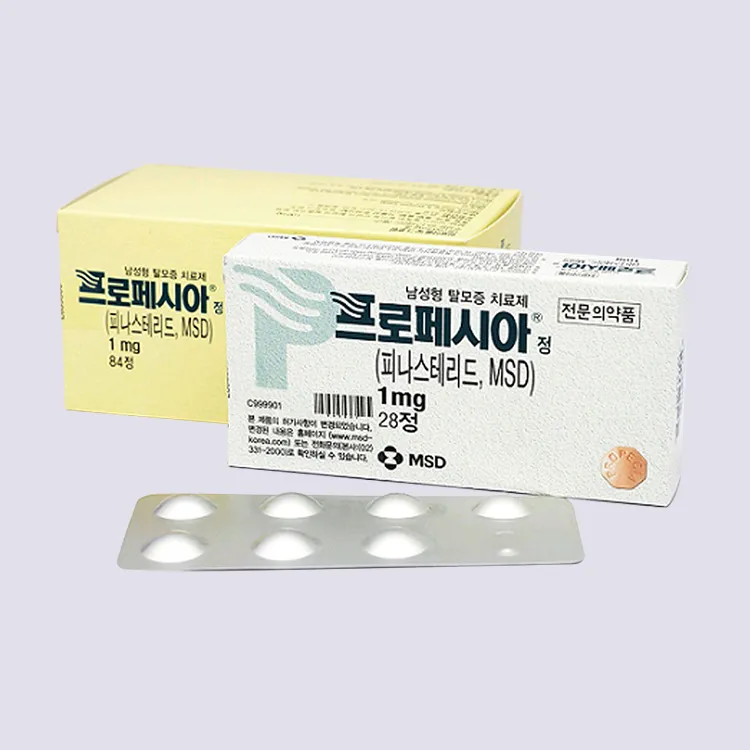
Here's the natural English translation: We've organized information on how drinking, sleep, and caffeine affect the efficacy of hair loss medications. Here are 4 lifestyle precautions that users of finasteride (Propecia) and dutasteride (Avodart) must know.
- If Your Scalp Is Itchy and Inflamed — Sensitive Scalp vs Seborrheic Scalp, Treatment Differs
If scalp itching persists, you should first distinguish between sensitive scalp and seborrheic scalp. We've organized treatment guidelines by scalp type, which can be identified by flake color, itching patterns, and whether the condition affects the face.
- Hair Loss Medications During Pregnancy and Breastfeeding: Which Are Safe and Which Are Prohibited?
If you are pregnant or planning to become pregnant, the guidelines for using hair loss medications differ. Here is a summary of whether finasteride, dutasteride, and minoxidil can be used during pregnancy and breastfeeding, along with precautions to consider.
- Scalp Scaling: Do I Need It Too? Necessity Guidelines by Scalp Type
If scalp flaking recurs or scalp itching persists, it may be a sign that scaling is needed. We've organized information about who needs it, whether it's safe to do at home, and how it differs from dermatological medical scaling.
- # Minoxidil Side Effects: When Should You Stop? Judgment Criteria by Symptom
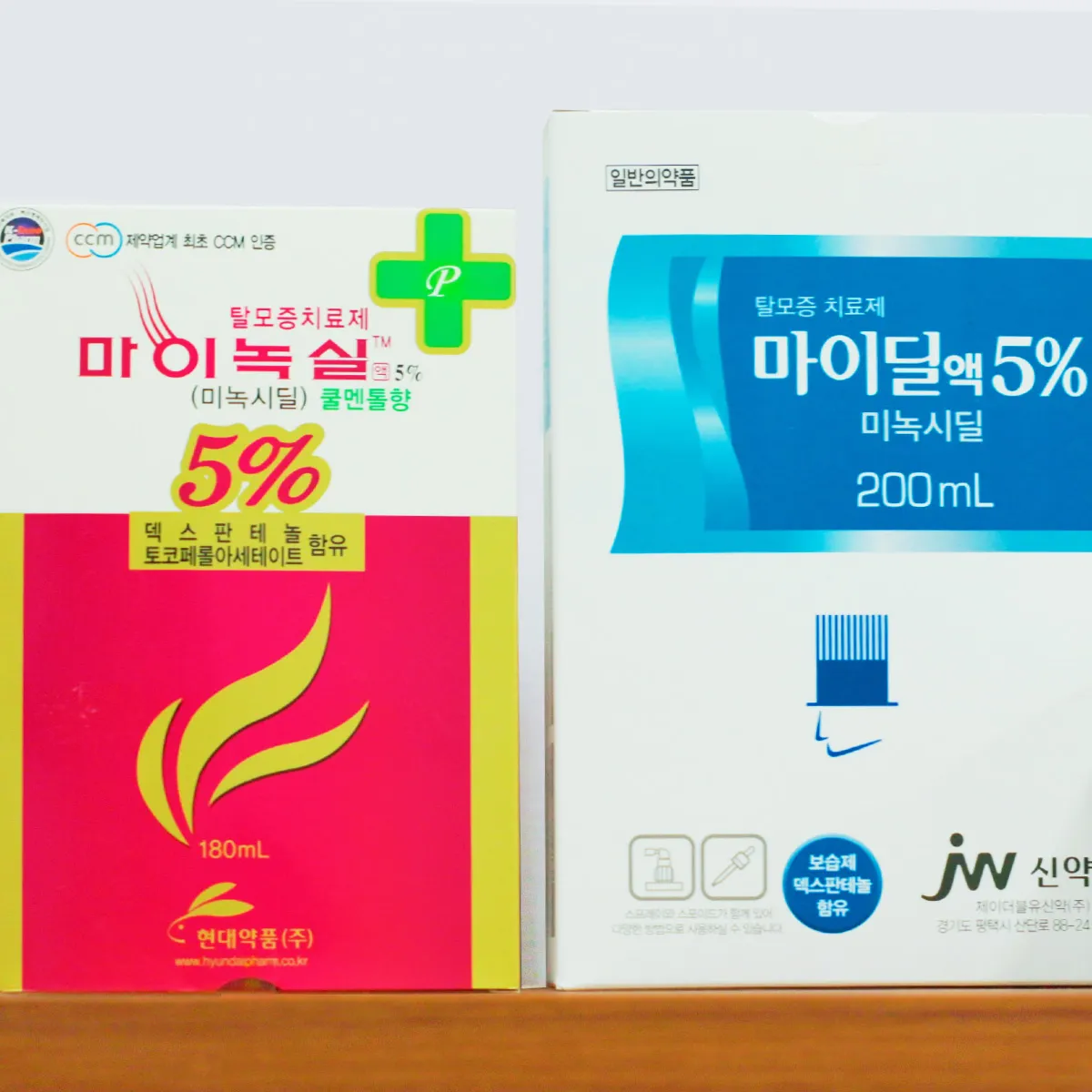
What should you do if you experience scalp itching, facial hair growth, and heart palpitations after applying minoxidil? We've compiled guidelines for managing symptoms based on their type and warning signs that require immediate discontinuation.
- The Truth About 90% Hair Transplant Survival Rate — 5 Variables That Determine Results
Hair transplant survival rates average 90%, but there is significant variation within that range. A doctor explains the 5 key variables that determine transplant results.
- If Finasteride Shows No Results After 6 Months? Criteria for Switching to Dutasteride
There is a specific time when you need to switch to dutasteride. We've organized the criteria for switching hair loss medications for men in their 30s, including 12-month finasteride photo comparisons, progression speed, and half-life differences.
- How Can You Tell If You're in the Early Stages of M-Pattern Hair Loss? 4 Ways to Distinguish Between Hair Loss and Normal Hair Shedding
The difference between M-pattern hair loss and hairline maturation—essential knowledge for men in their 20s. We explain 4 self-diagnosis points, from temple hair thickness to family history.
- If Your Part Is Getting Wider? How to Check for Early Signs of Hair Loss in Women in Their 30s
Female hair loss progresses by thinning the hair at the crown and reducing volume. We've organized the early warning signs of hair loss that women in their 30s often confuse, along with treatment approaches based on the underlying causes.
- If Scalp Flakes Keep Appearing? The Real Reason Why Daily Washing Won't Solve It
If scalp flakes don't disappear even with daily washing, you need to identify the underlying cause. We've organized the differences between dry dandruff and seborrheic dermatitis, as well as scalp care methods suited for women in their 30s.
- Worried About Hair Loss Medication Side Effects? Realistic Expectations Based on Thousands of Clinical Data
Hair loss medication side effects account for only 1.5-2.3% based on actual clinical data. We've organized the differences between community fears and reality, as well as what men in their 30s must know before taking hair loss medication.
- # Hair Transplant Dark Period: Why Does It Occur and When Does It End? Complete Stage-by-Stage Breakdown
We have compiled information about the causes of the dark period (Shock Loss) that occurs after hair transplantation, the progression by stage from 1 month to 12 months, warning symptoms, and how to navigate through it wisely.




.webp)